
Black Mold on Washing Machine Rubber Seal: What to Check
By Eyal Malka, owner of Vent Pro NYC · 12 years in the trade
Published · Reviewed · 5 min read
You opened the washer, glanced at the rubber seal around the door, and saw black. Maybe a few spots, maybe a full ring in the bottom fold. Before you reach for bleach or start shopping for a new machine, take five minutes and look properly. What you find decides whether this is a wipe, a weekend DIY job, a visit from us, or a call to an appliance repair technician.
1. Is it growth, or a stain?
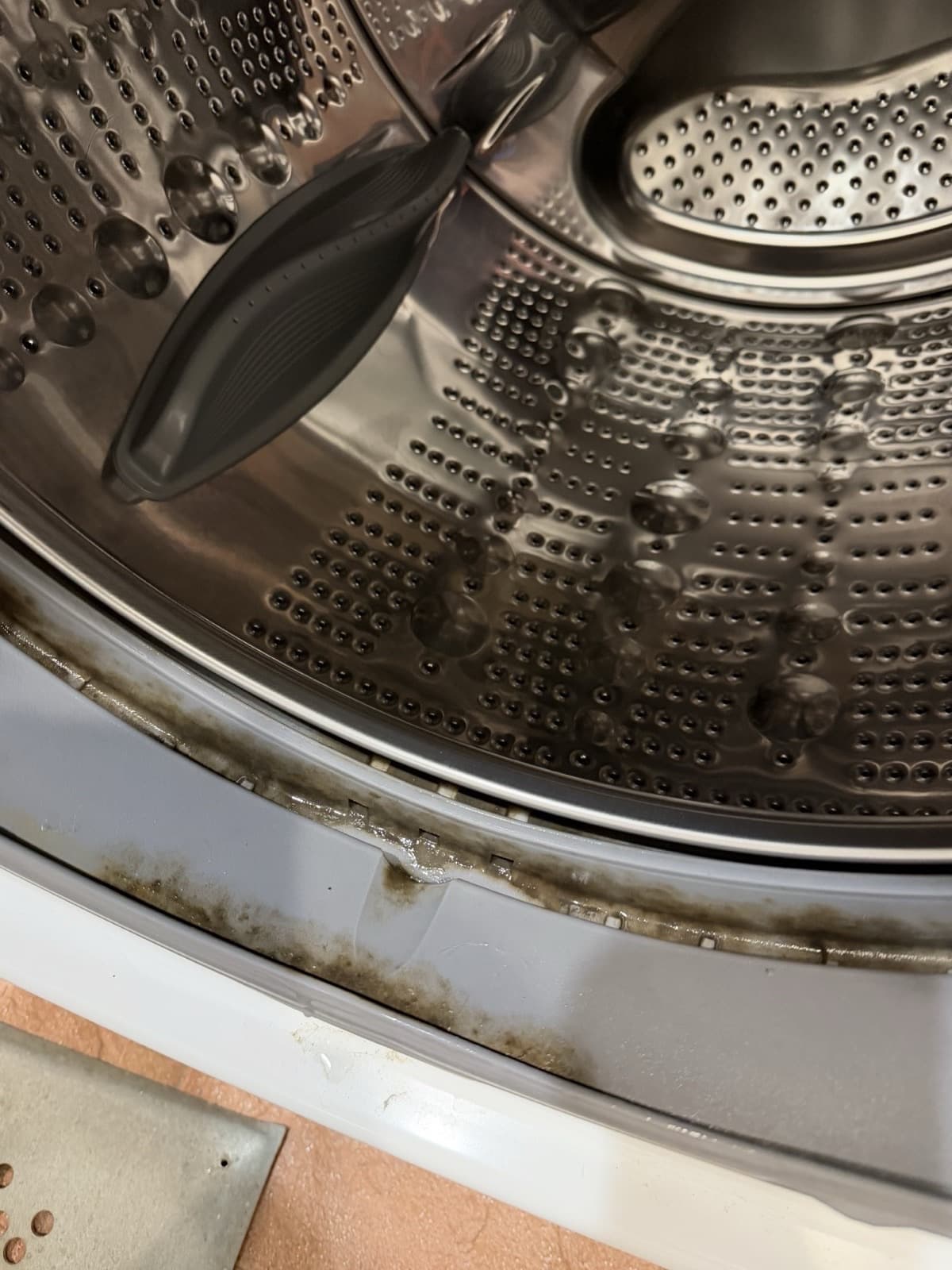
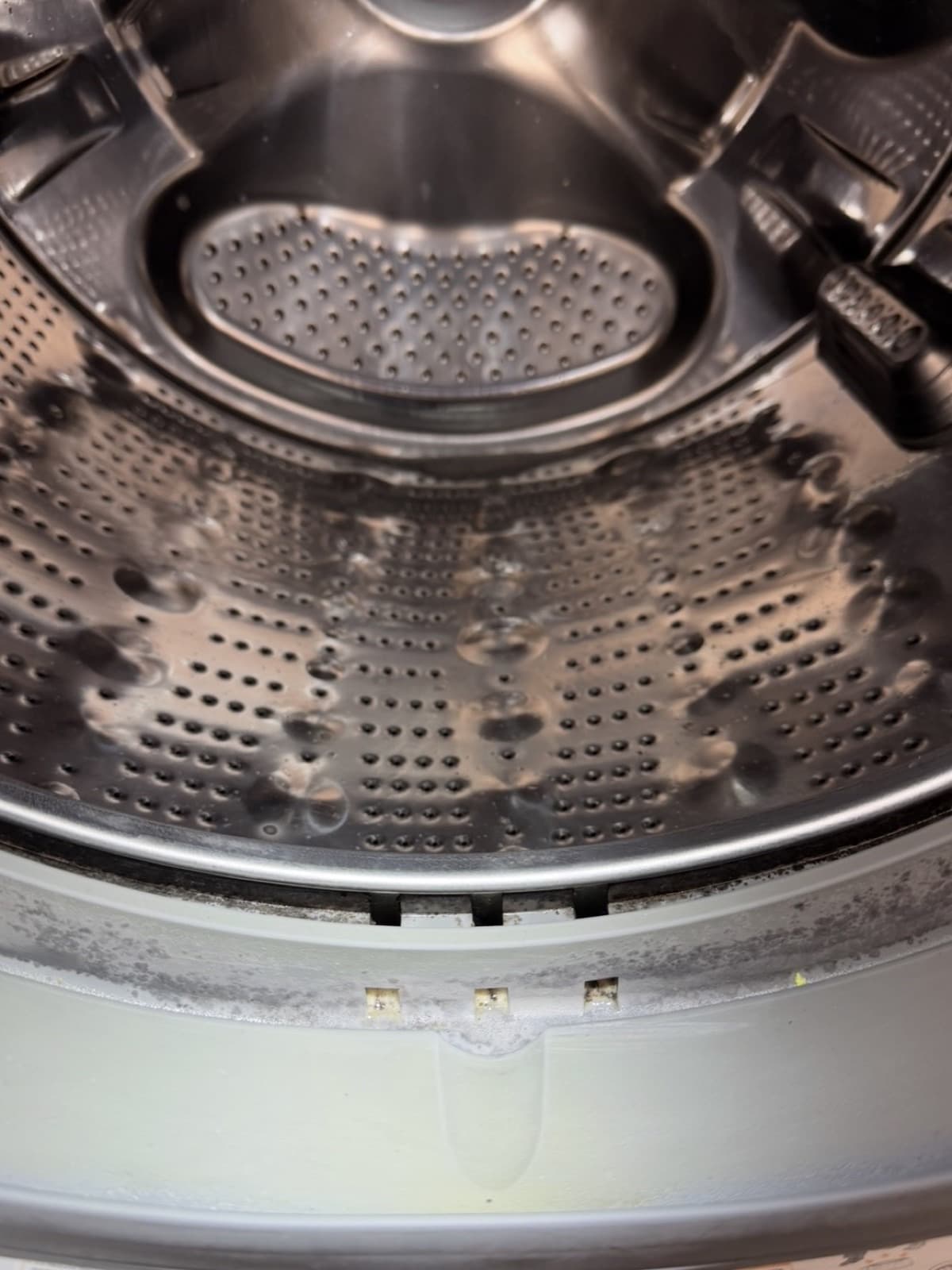
Wipe one dark patch firmly with a damp paper towel. If black or grey comes away on the towel, or the patch feels slimy or fuzzy, that is growth sitting on the rubber. If the towel stays clean and the mark is flat, it is staining in the rubber itself. Most moldy seals have both. The difference matters, because the growth comes off and the stain usually only fades.
People call it “black mold” because it is black. Nobody can tell what kind it is by looking, us included, and you don’t need to. The fix is the same.
2. How deep does it go?
Fold the rubber lip back toward you, all the way around, starting at the bottom where water collects. Spots on the outer face that you can see with the door open are the light case. A dark ring in the channel under the fold, with standing water, hair, or slime, means it has been growing there a while.
3. Is the rubber itself OK?
While the fold is back, look at the rubber, not just the dirt. A tear or hole in the inner fold, rubber gone hard and cracked, or a seal that leaks means cleaning won’t hold, and the seal needs replacing by an appliance repair technician. A small nick on the outer upper lip is usually fine if the washer isn’t leaking. And don’t judge by how dirty it looks: seals that look hopeless often clean up well. More on clean versus replace.
4. Does the washer smell?
A musty smell from the open door, or towels that come out smelling damp, usually means the growth under the fold has been there a while. If the smell is strong but the seal looks fairly clean, check the detergent drawer and its housing and the drain pump filter too.
5. DIY, or call someone?
Spots on the surface of the rubber door seal are a DIY job: warm soapy water, a soft brush, every fold, then dry it. Our DIY guide walks through it, including the safety rules. If the ring is deep in the channel, has come back after cleaning, or you would rather not do it, that is the job we do. Our washer gasket mold removal in Brooklyn is $179.99 flat: our four-step treatment on every fold of the washer door gasket, with the drain filter cleaned in the same visit. We work on front-load washers only.
Once it is clean, the 20-second habit is what keeps the black from coming back.